Tag: Elise Abram
-

The Business of Bookselling: Managing Records, Taxes, and Publishing Costs
Once your book is published, you are running a small business. This workshop explores the practical, financial, and administrative responsibilities involved in publishing and selling books, helping authors understand the often-overlooked aspects and hidden costs of the business. This session examines: hiring freelancers tool subscriptions obtaining ISBNs publishing/distribution royalties bookkeeping: sales and expense recording income…
-
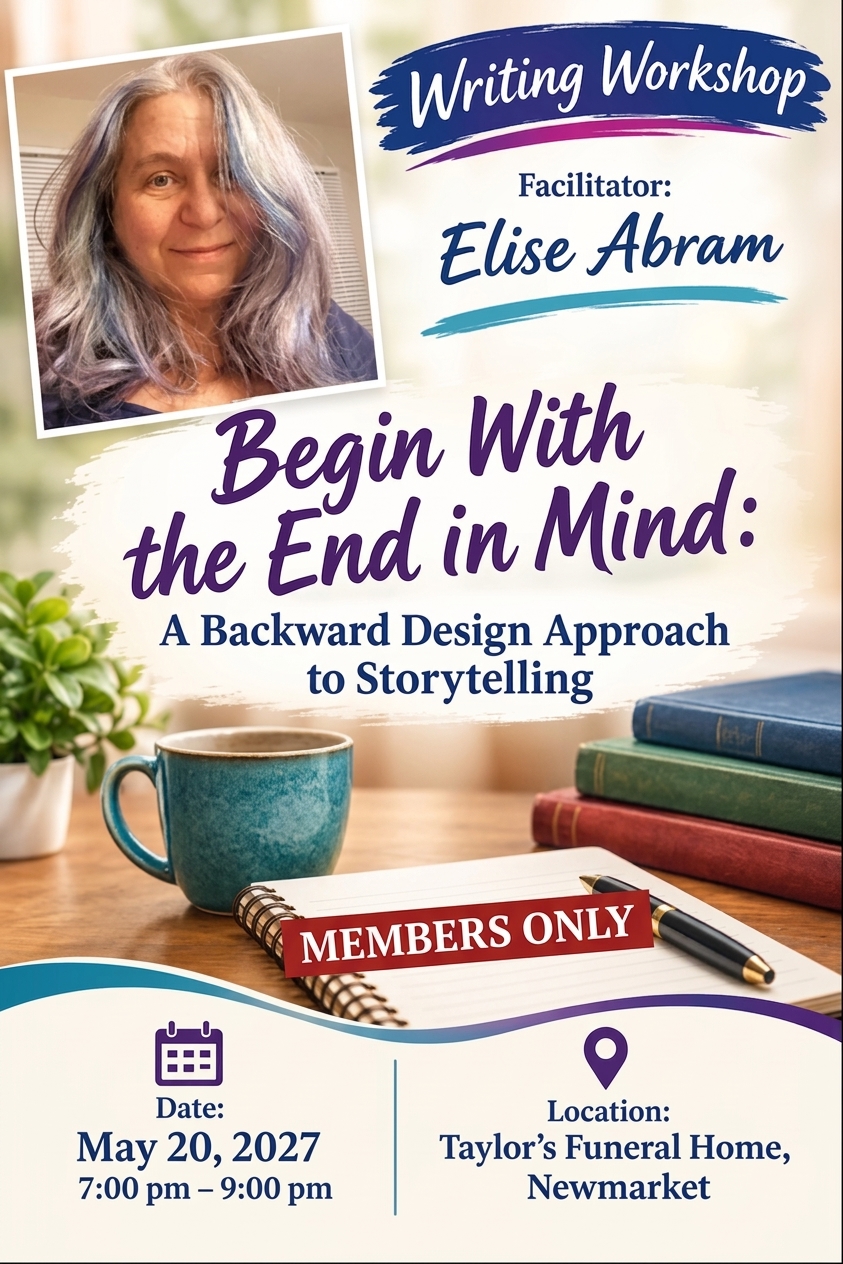
Begin With the End in Mind: A Backward Design Approach to Storytelling
This workshop explores how to build a strong story by starting with the ending and working backward. Participants will learn how themes, character arcs, and conflict work together to shape compelling fiction with clear direction and a satisfying climax. This session examines how to identify thematic statements, define character goals and motivations, and create supporting…
-

Read like a Writer with Elise Abram
This workshop explores how writers can become stronger storytellers by learning to read analytically. Rather than reading only for pleasure or content, participants will learn how to “read like a writer” by examining the techniques, structural choices, and stylistic decisions authors use to create engaging fiction. By approaching books analytically, writers can turn every novel,…
-

The Business of Bookselling: Managing Records, Taxes, and Publishing Costs with Elise Abram
Once your book is published, you are running a small business. This workshop explores the practical, financial, and administrative responsibilities involved in publishing and selling books, helping authors understand the often-overlooked aspects and hidden costs of the business. This session examines: hiring freelancers tool subscriptions obtaining ISBNs publishing/distribution royalties bookkeeping: sales and expense recording income…
-

5 Reasons Why You Should Join Our Beta Reader Team
Beta readers are frontline, test readers for new manuscripts. In most cases, they are the first people to read a book other than the author. It is important to note that beta readers are not editors. Instead, they help authors test-drive their books by reading them as an audience might and providing a realistic reader…
-

Write • Revise • Repeat: A Self-Editing Toolkit at EFACON 2026
Even experienced editors struggle to edit their own work. Our expertise does not eliminate our brain’s tendency to “autocorrect” errors or eliminate cognitive bias when we are too close to the prose. This session takes a look at why it’s difficult to edit your own work and offers practical strategies for editing your manuscript with…
-
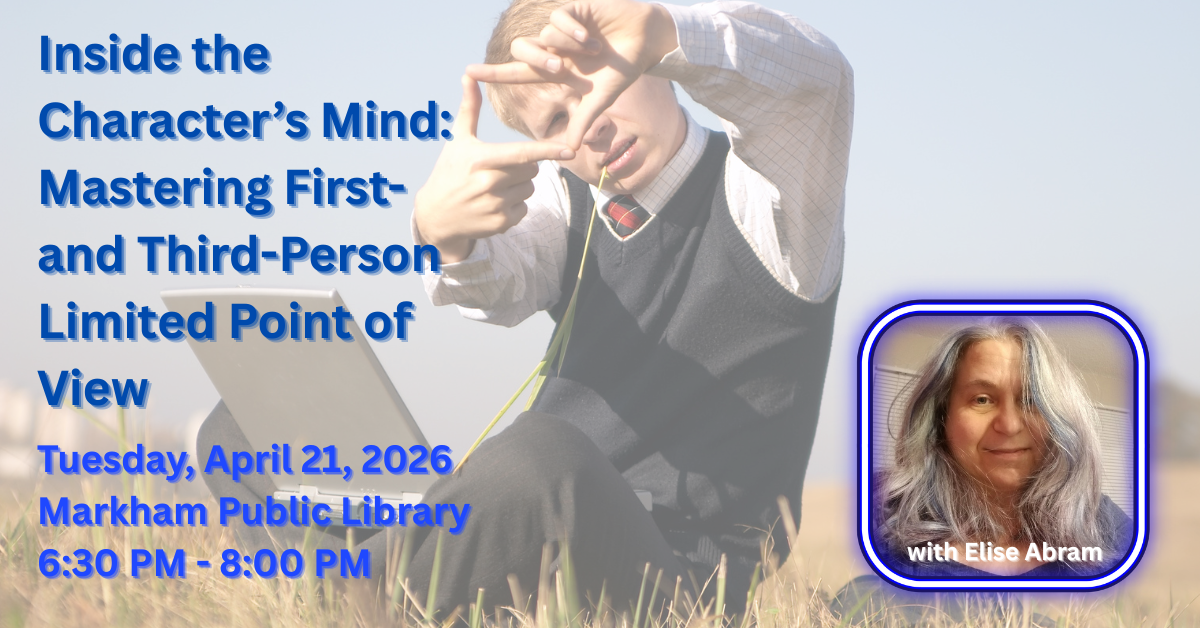
Inside the Character’s Mind: Mastering First and Third Person Limited POV
Writing in either first person or third person limited point of view allows authors to create a strong emotional connection between the reader and the character. Both points of view offer direct access to the narrator’s inner thoughts, feelings, and biases, often resulting in a more intimate and subjective experience. Both perspectives require careful attention…
-
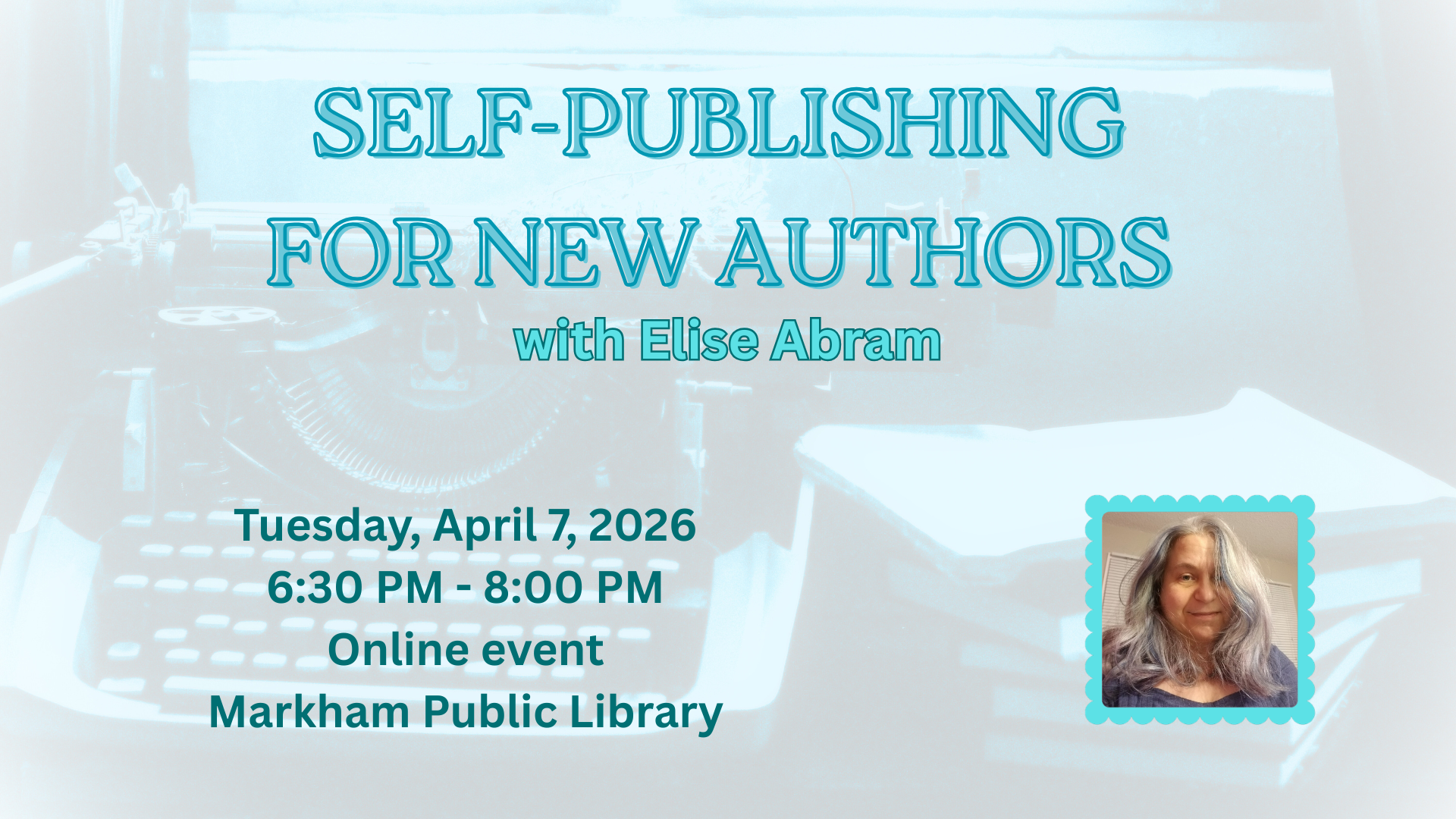
Self-Publishing for New Authors
Stepping into self-publishing means becoming both an author and a publisher, but what does that really mean? This workshop provides an essential overview of the publishing industry from a self-publisher’s perspective. Learn about the difference between traditional, vanity, and self-publishing. From obtaining ISBNs and distribution networks to royalties, this workshop is perfect for writers who…
-

What It Means To Show and Not Tell
What is meant by “showing” versus “telling” and how can you tell the difference? Is it ever okay to “tell?” Is there such a thing as showing too much? Explore these important questions by looking at dialogue, description, pacing and transitions, and learn how to invite your readers into the scenes you write.
-
Deep Point of View
What it is and how to use it It is said there are three sides to every story: yours, mine, and what really happened. Writing in a deep point of view allows your narrator to tell their side. It lets your reader know what the narrative character thinks by filtering events through the lived experience…